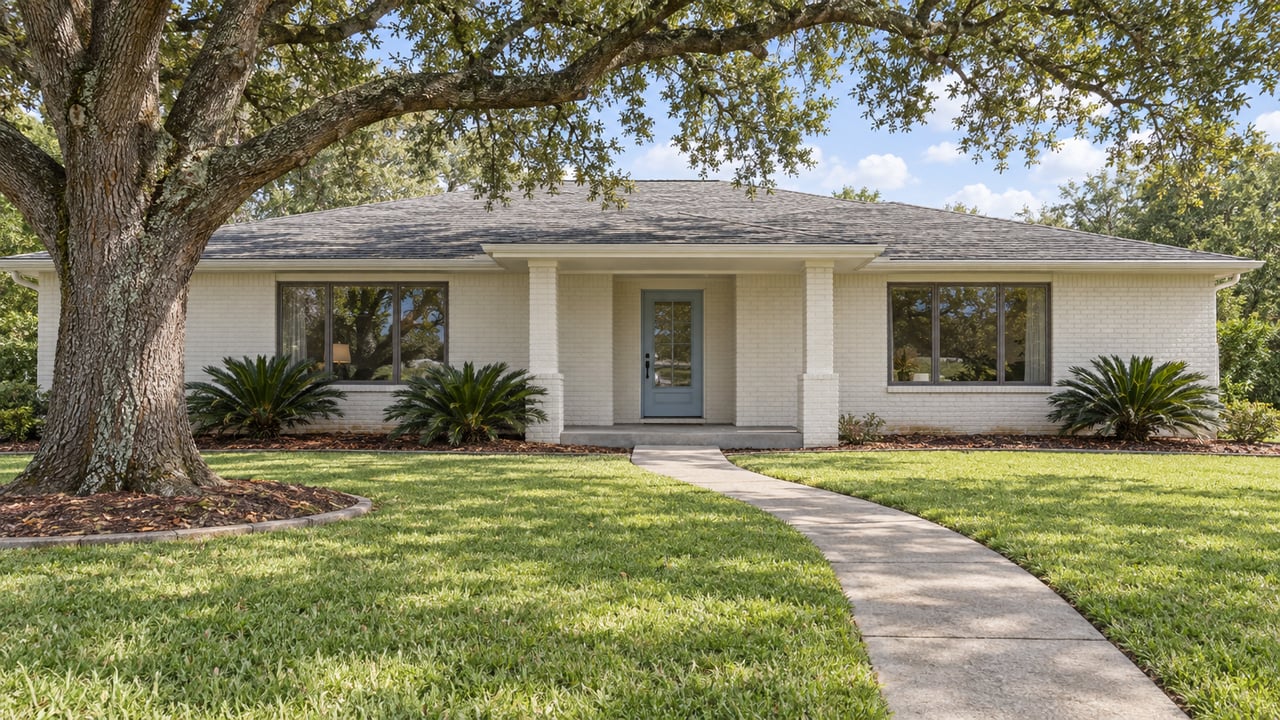
After Isaias, Gulf Breeze Proper's Fallen Oaks Are a Contract Question, Too
In old Gulf Breeze, Hurricane Isaias did most of its damage to trees. For anyone whose contract was signed before the storm, the important fact is that the standard Florida purchase contract counts the cost of cutting and hauling those trees toward the same 1.5% repair cap that covers the roof, the fence and the front door. A home the City lists as having "minor" damage can still push a contract past that cap once an oak or two has come down across the yard.
That is the mechanism behind every 32561 sale that was already under contract when Isaias arrived. Here is how the rules stack up, starting with what the City counted.
On October 12, the City of Gulf Breeze published its initial structural damage assessment. Inspectors looked at 118 residential properties and found 9 homes with major damage, 48 with minor damage and 61 classified as affected. The City calls these figures initial.
The word that shows up across the City's release is trees. With schools expected to reopen October 14, the release said Parks and Recreation was identifying and marking hazardous trees along bus routes, streets and sidewalks. In the same release, Mayor JB Schluter said, "Recovery will take time, especially with the amount of tree damage across the City."
Countywide the numbers are larger. As of October 14, Santa Rosa County reported more than 80 structures destroyed, about 300 with major damage, more than 600 with minor damage and over 2,000 affected, with assessments still going.
A structural assessment measures the house. A purchase contract measures the whole property, yard included, and that difference matters.
Most residential sales in Florida are written on the Florida Realtors/Florida Bar forms, either the "AS IS" contract or the Standard contract. The current versions carry a "Rev. 12/24" footer. Florida Realtors' February 2026 update changed a FinCEN reporting clause, not the casualty language. Section 18(M), Risk of Loss, reads the same on both forms, apart from a single comma. Two sentences in it decide most of what follows:
"...cost of restoration (which shall include cost of pruning or removing damaged trees) does not exceed 1.5% of Purchase Price, cost of restoration shall be an obligation of Seller..."
"Seller's sole obligation with respect to tree damage by casualty or other natural occurrence shall be cost of pruning or removal."
The first sentence adds tree work to the same bill as everything else. The second limits what the seller owes for the tree itself. Taking down a damaged live oak falls within the seller's obligation, up to the cap. The shade, the privacy and the look of a mature canopy do not, and the contract has no line for putting them back.
Timing matters here. The clause applies when the property is damaged after the contract's Effective Date and before Closing, so it reaches contracts that were already signed when Isaias hit. Damage that existed before a contract was signed falls outside this clause as written. The rest of 18(M) works like this. If restoration costs no more than 1.5% of the price, the seller pays and closing goes ahead. If the work isn't finished by closing, 125% of the estimated cost is held in escrow at closing, but never more than 1.5% of the price. If restoration costs more than 1.5%, the buyer chooses between taking the property "as is" with the 1.5% amount or getting the deposit back and ending the contract.
These figures are straight arithmetic on the contract's percentages. They are not repair estimates.
| Purchase price | 1.5% cap on seller restoration | Most that can be escrowed |
|---|---|---|
| $500,000 | $7,500 | $7,500 |
| $700,000 | $10,500 | $10,500 |
| $1,000,000 | $15,000 | $15,000 |
| $1,500,000 | $22,500 | $22,500 |
Take a $700,000 contract where the work is estimated at $6,000. That is under the cap, so the seller pays. If the work isn't done by closing, 125% of the estimate, or $7,500, goes into escrow. Now say the same house needs a section of roof repaired and two large trees removed from the yard. Once the combined bill passes $10,500, the buyer has the decision, and the trees may account for much of what pushed it over.
So in a neighborhood with heavy tree cover, the cap can be reached by yard work rather than by damage to the house.
Removing a tree in Gulf Breeze has its own requirements. The City's tree removal page says any tree 12 inches or more in diameter, measured 4½ feet above grade, is protected unless it is an exempt or invasive species. Removing one requires a permit, and removing one without a permit brings a fine and a requirement to replace trees under the code's formula. The page says the owner "is almost always responsible for violations." The permit is free. Routine pruning that doesn't kill or remove the tree needs no permit.
That leaves three ways to remove a protected tree that came down or was damaged in the storm:
This matters for a pending sale. The seller pays for removal under 18(M), but under the City's own words the owner carries the risk of a violation. Which route the tree crew takes affects both the cost that counts toward the cap and whether the property changes hands with an open mitigation requirement.
A buyer usually can't close with a mortgage until homeowners coverage is bound, and Isaias interrupted that. Citizens Property Insurance Corp. suspended binding statewide at 11:05 a.m. ET on October 7, 2026, for new and increased coverage regardless of effective date. It lifted the suspension at 5 a.m. ET on October 10. Private carriers handled restrictions in different ways, some statewide and some limited to the counties expected to be hit, WINK News reported.
Binding is open again, but damage the storm left behind now affects the application. Citizens says homes with existing damage are underwritten individually and coverage is not guaranteed, and that applicants must disclose all existing damage, including damage unrelated to the peril being covered. For recent purchases with roof damage, Citizens describes a possible unbound submission. It requires the purchase to fall within 45 calendar days of the requested start of coverage and a roofing contract from a licensed contractor, signed by the applicant, showing full roof replacement within 30 days of the requested effective date of coverage. Even then, coverage is not guaranteed.
That brings it back to the contract. Repairs the seller makes under 18(M) before closing can decide whether the buyer's policy is easy or hard to bind.
Several other provisions in the same form apply this month. A Florida Realtors legal overview summarizes them:
For owners listing this fall, Florida's disclosure standard comes from Johnson v. Davis. In that case the Florida Supreme Court held that a seller must disclose known facts that materially affect value, are not readily observable and are not known to the buyer. Whether a particular piece of storm damage meets that test turns on what the seller knows, how much it affects value and whether a buyer could see it, which is a question for a Florida real estate attorney.
This post is general information, not legal, insurance or financial advice. Before you act on any clause or rule above, confirm how it applies to your contract with a Florida real estate attorney, your insurer and your lender.
Does the City's "minor damage" label mean a pending sale is safe? The City's assessment looked at structures. For storm damage after a contract's Effective Date, Section 18(M) also counts tree pruning and removal, so a property's total restoration cost can go past 1.5% of the price even with a minor rating.
Can a seller just have the downed oak cut up and hauled away? Routine pruning needs no permit. Removing a protected tree, 12 inches or more in diameter, needs a City permit unless the City Manager waives the rule during an emergency or a qualifying arborist or landscape-architect risk assessment applies under F.S. 163.045.
Where does vegetative debris go? CWR, the City's contractor, began organized collection on October 13 and plans multiple passes. Vegetative debris goes at the roadside, separate from shingles and construction material. The Gulf Breeze Transfer Station at 325 S. Sunset Boulevard was free to city residents October 13 through 17.
If you are under contract in Gulf Breeze Proper and the storm changed the property, Luxpoint Real Estate can help you lay out the restoration costs against the 1.5% line, set up the follow-up walk-through and line up the documents your attorney and insurer will want to see. Contact Us to talk through your file.
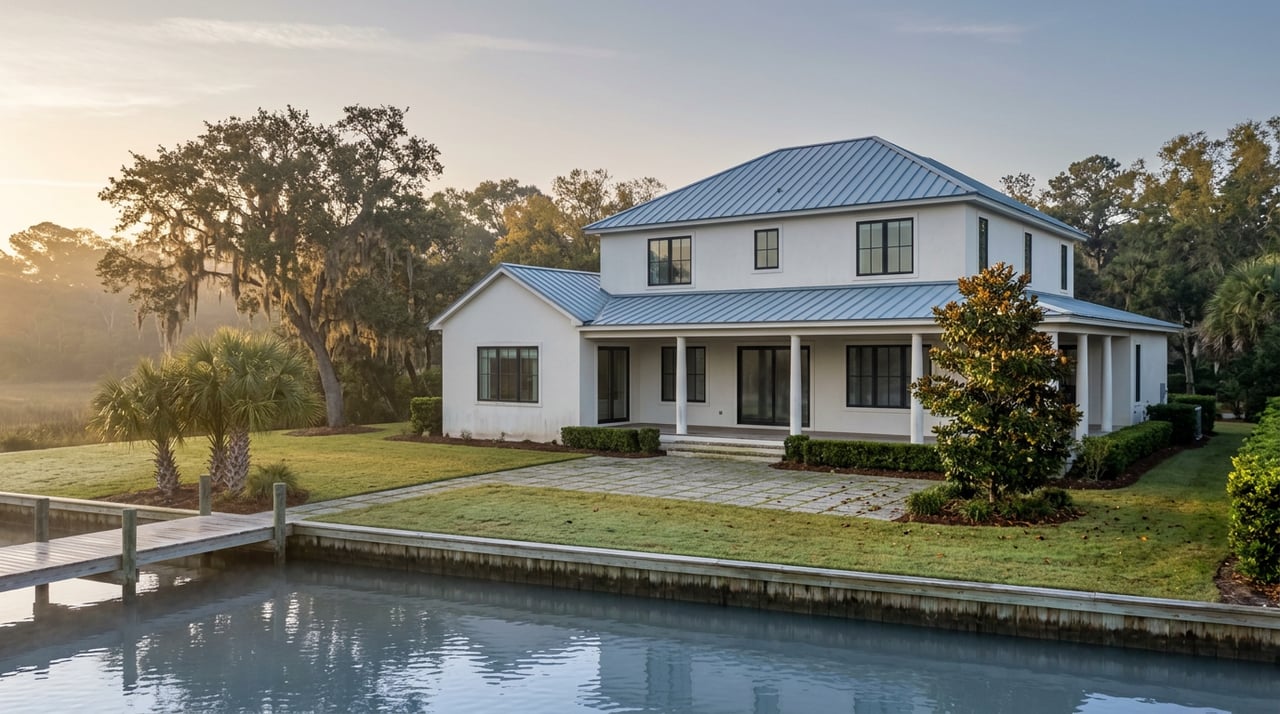

Buying
Escambia County requires the first inspection at 25 years. Here's what's due, which deadlines have passed, and what buyers and sellers need.
Defined by market expertise and a refined, results-driven approach, each client receives tailored guidance aligned with their goals. Every decision is supported by insight, strategy, and local knowledge of Gulf Breeze and Florida’s coastal market. The focus remains on delivering clarity, confidence, and measurable results.

Luxpoint Real Estate
913 Gulf Breeze Pkwy Ste 4 Gulf Breeze FL 32561