Buying A Condo In Downtown Pensacola
Thinking about buying a condo in downtown Pensacola? It can be a smart way to enjoy a more urban, low-maintenance lifestyle near the city’s historic core, but not all downtown condos work the same way. If you want to compare buildings with confidence, understand fees and parking, and avoid surprises during due diligence, this guide will help you focus on what matters most. Let’s dive in.
Downtown Pensacola is not a one-size-fits-all condo market. The area includes the Pensacola Historic District and the Palafox Historic Business District, with many 19th- and 20th-century buildings shaping the look and feel of the neighborhood. That usually means you may see older conversions, loft-style units, compact urban homes, and a smaller overall condo inventory than in larger city markets.
Current listing snapshots show just how limited and varied the market can be. Redfin reported 23 downtown condos for sale at a median list price of $689,000, while Zillow showed 22 listings at the time of the report. Since portal numbers change quickly, it is best to treat those figures as a short-term snapshot rather than a long-term pricing rule.
One of the first things to understand is that the building itself matters just as much as the unit. In downtown Pensacola, your condo may be part of a historic conversion, a loft building, a newer infill or mixed-use project, or a smaller low-rise association. Each setup can create a very different ownership experience.
That difference affects more than style. It can shape monthly fees, maintenance expectations, parking, elevators, shared spaces, and how future repairs are handled. A condo with a charming historic exterior may feel very different from a newer building with more modern systems and amenities.
The city notes that the downtown historic district is bounded by Chase Street, 9th Avenue, Palafox Street, and Pensacola Bay. In these areas, the Architectural Review Board evaluates developments that affect the built environment in historic and preservation districts. For you as a buyer, that can mean older facades, smaller floor plans, and more oversight for exterior changes.
This does not make historic buildings better or worse. It simply means you should look closely at how the building is maintained, what changes are allowed, and whether the association has planned well for ongoing upkeep.
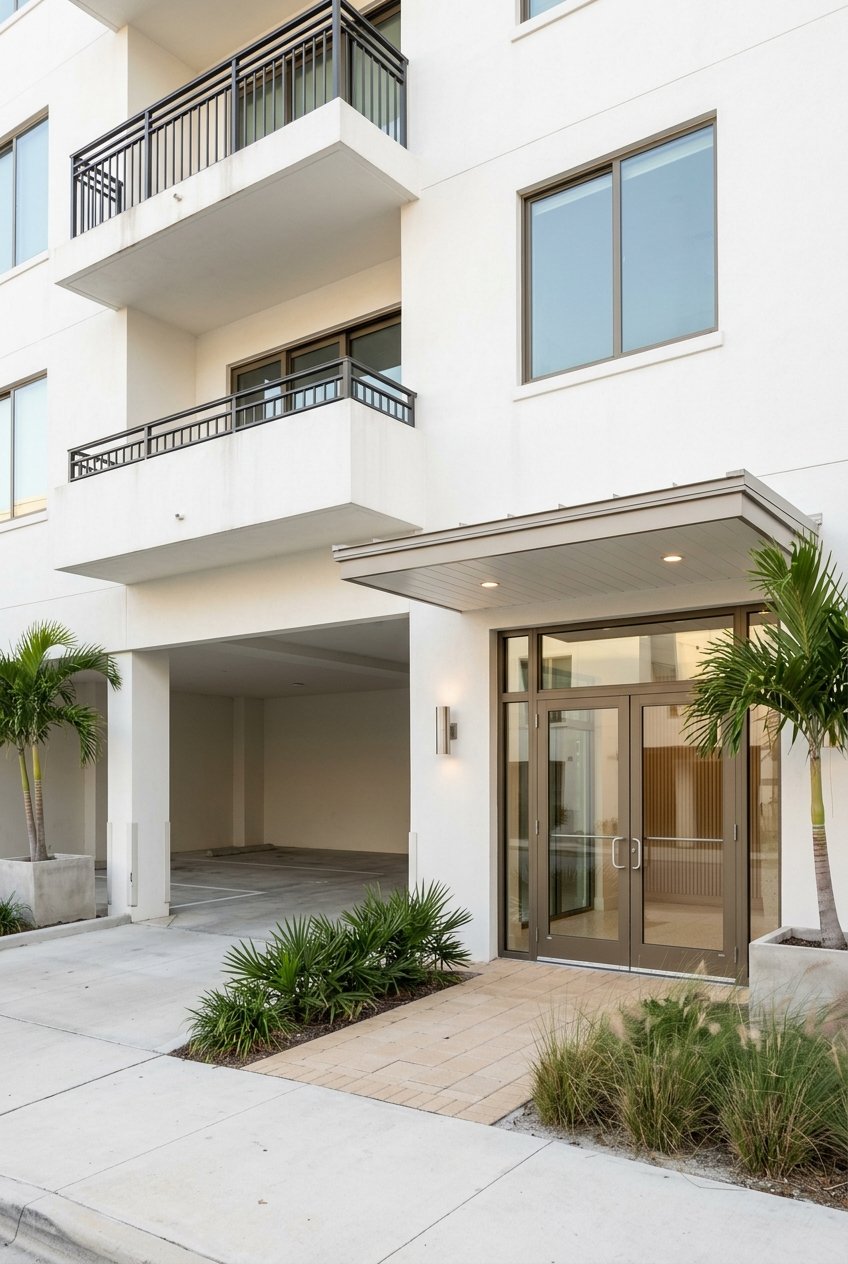
Some downtown condos may be in newer buildings or mixed-use projects. These can offer a different balance of layout, building systems, and day-to-day convenience. Still, you should not assume newer automatically means simpler.
Even a newer condo can have complex maintenance needs, higher operating costs, or specific rules around shared spaces. Reviewing the association documents is still essential.
Monthly condo fees are not just another line item in your budget. In many cases, they are one of the clearest signs of how a building is operated and how prepared the association is for future repairs. Two units with similar prices can feel very different once you compare what the monthly assessment covers.
Under Florida law, associations must adopt annual budgets. For associations subject to the structural reserve rules, reserves for required items must be maintained in the budget and cannot be waived or redirected once those rules apply. That makes reserve funding a key part of your review, not a minor detail.
For buildings with three habitable stories or more, Florida requires a Structural Integrity Reserve Study, or SIRS, at least every 10 years. The study must cover major building components such as the roof, structural components, fire protection, plumbing, electrical systems, waterproofing and exterior painting, windows and exterior doors, plus any other qualifying item that could affect those core systems.
The study must also identify remaining useful life, replacement cost, and a reserve funding schedule. In simple terms, it helps show whether the building is planning ahead for expensive repairs or whether owners may face more financial pressure later.
Before you move forward on a downtown condo, ask clear questions about the association’s finances.
These questions can help you compare buildings more accurately and avoid focusing only on the purchase price.
When you buy a resale condo in Florida, the seller must provide a package of important association documents. These include the declaration, articles, bylaws, rules, annual financial statement, annual budget, and, when applicable, the milestone inspection summary, most recent SIRS, turnover inspection report, and FAQ document.
Florida law also gives buyers a limited voidability period after receiving the required documents. That is one reason condo due diligence deserves extra attention. You are not just buying the unit itself. You are also stepping into a shared legal and financial structure.
At a minimum, make time to review these items carefully:
If the association has 25 or more units, look for the required online document library as well. That can make it easier to review records and understand how transparent the association is.
Parking is one of the biggest practical differences between buying a downtown condo and buying in a more suburban part of the Pensacola area. If you love the energy of downtown, that tradeoff may be worth it, but you should understand the details before you make an offer.
Downtown city parking is managed through ParkPensacola. The first 30 minutes of a paid session are free, and Sundays are free in city parking lots, on-street spaces, and the Jefferson Street Garage unless otherwise posted. The city also offers resident permits and discounts, but permits are limited and do not guarantee a space.
That last point matters. A permit is not the same thing as secure building parking, and downtown street parking rules can limit long-term parking in the core. Resident-only decals also apply only in designated spaces.
Because parking setups vary by building, ask for specifics instead of general assurances.
A condo that looks perfect on paper may feel much less convenient if parking is limited or unclear.
If you are buying a condo as a second home, future investment, or part-time residence, rental rules deserve special attention. In downtown Pensacola, one building may offer more flexibility than another, and the listing description may not tell the full story.
Under Florida law, an amendment that bans renting, changes the rental term, or limits the number of rentals applies only to owners who consent to the amendment and to owners who buy after it becomes effective. That means the declaration and current rules should guide your decision, not assumptions based on marketing remarks.
Rental flexibility can affect how you use the property now and what options you have later. Even if you plan to live in the condo full-time, your long-term plans may change. Reading the condo documents closely helps you understand the rules before you commit.
Downtown Pensacola buyers should also consider flood-zone and historic-district issues as part of their due diligence. The city states that its Flood Insurance Rate Map was updated on August 19, 2025, and some properties moved into new Special Flood Hazard Areas or saw flood-zone lines change.
That means flood risk and insurance costs may not be the same as they were in the past. A parcel-level review can help you understand whether the building’s location may affect insurance planning and monthly ownership costs.
In historic districts, exterior work may also be subject to review by the city’s Architectural Review Board. If you are buying into a building with historic considerations, ask how that has affected past maintenance or exterior projects.
When you are comparing downtown Pensacola condos, keep your process simple and focused. A thoughtful review now can save you stress later.
A downtown Pensacola condo can offer character, convenience, and a lifestyle that feels distinct from other parts of the local market. The key is knowing how to evaluate the building behind the unit, not just the finishes inside it. When you understand fees, reserves, parking, rental rules, and property-specific due diligence, you can make a decision that fits your goals with more confidence.
If you are weighing condo options in Pensacola or nearby coastal communities, working with a local broker who can help you compare buildings, spot important differences, and stay organized through due diligence can make the process feel far more manageable. When you are ready for tailored guidance, connect with Luxpoint Real Estate.
Defined by market expertise and a refined, results-driven approach, each client receives tailored guidance aligned with their goals. Every decision is supported by insight, strategy, and local knowledge of Gulf Breeze and Florida’s coastal market. The focus remains on delivering clarity, confidence, and measurable results.

Luxpoint Real Estate
913 Gulf Breeze Pkwy Ste 4 Gulf Breeze FL 32561