What Downtown Pensacola Living Feels Like
If you are wondering whether downtown Pensacola feels busy, charming, walkable, or waterfront-centered, the short answer is yes. Living here is less about a typical business district and more about being part of a compact, historic, active core where restaurants, public spaces, bay views, and everyday conveniences sit close together. If you are thinking about buying, relocating, or simply narrowing your search, this guide will help you picture what daily life in downtown Pensacola actually feels like. Let’s dive in.
Downtown Pensacola has the feel of a small urban core rather than a large, overwhelming city center. The Downtown Improvement Board describes it as a 44-block district, which helps explain why it feels easy to learn and easy to move through.
The area also works as more than a place to visit. With restaurants, boutiques, museums, salons, nightlife spots, tours, and business services all in the district, downtown functions as both a neighborhood and a destination. That mix gives daily life a steady rhythm without making the area feel too spread out.
One of the first things you notice about downtown Pensacola is that it feels layered. The city identifies downtown as the place where Pensacola began, and that history still shows up in the streetscape, architecture, and public spaces.
Historic Pensacola Village adds to that sense of place with period houses, museums, and one of Florida’s oldest churches. Instead of feeling generic or newly built all at once, downtown feels connected to the city’s earlier story, which gives it a character that many modern downtown districts do not have.
If you want a lifestyle where you can step out your door and do more on foot, downtown Pensacola stands out. The city points to Palafox Street as one of the American Planning Association’s top 10 Great Streets in America, and that recognition fits the everyday experience of walking between dining, shops, parks, and cultural stops.
You can also see how the district is designed around movement and public life. People stroll through parks, bike near Pensacola Bay, and move between blocks that connect food, shopping, and gathering spaces in a way that feels natural.
Downtown does not require you to give up your car, but it does make shorter outings easier without one. Street parking and garage parking are available, which helps if you still want the flexibility of driving when needed.
There is also a free downtown trolley on Fridays and Saturdays from 5:00 p.m. to midnight. It follows a circular route along Palafox Street from Wright Street south to Cedar Street, which supports easier evening outings in the downtown core.
In some places, waterfront access is something you admire from a distance. In downtown Pensacola, it is more woven into the day-to-day experience.
The Pensacola Bay Pier at Community Maritime Park sits on West Main Street and includes floating docks and 48 boat slips. The city says it is open daily, which helps make the bay feel like part of your regular environment rather than a special occasion backdrop.
Downtown also connects to the water in a practical way through the Pensacola Bay City Ferry. The ferry operates hop-on, hop-off service from downtown to Pensacola Beach and Fort Pickens.
For residents, that means downtown can serve as an in-town home base with access to coastal destinations without every outing starting with a long drive. Indoor and covered seating, restrooms, bicycle racks, and storage also make the service feel useful, not just scenic.
A big part of downtown Pensacola living is how much is packed into a small area. The downtown directory shows a strong mix of restaurants, coffee shops, bars, breweries, boutiques, and other businesses concentrated around Palafox and nearby streets.
That density matters because it changes how a place feels to live in. You are not just near places to go on weekends. You are in an area where grabbing coffee, meeting friends, dining out, or running a quick errand can all happen within a relatively small radius.
Downtown Pensacola has a visible public rhythm, and recurring events play a big role in that. This is one reason many people describe the area as feeling like there is always something going on.
Two standout examples are Palafox Market and Gallery Night. Palafox Market takes place every Saturday from 9:00 a.m. to 2:00 p.m., while Gallery Night happens monthly on the third Friday of each month with artists, music, food, and participating businesses.
These events do more than attract visitors. They help shape what it feels like to live nearby, because the calendar itself becomes part of your routine.
A Saturday morning downtown can mean walking to the market. A third Friday can mean stepping into a more social, art-focused street scene. That kind of recurring activity gives downtown an energy that extends beyond standard business hours.
If you enjoy living in a place with public arts and cultural activity, downtown Pensacola offers that in a very visible way. The city highlights assets such as the Pensacola Museum of Art, Artel Gallery, and a broader calendar of festivals, art shows, parades, and performing and visual arts.
That visibility matters because it influences the mood of the district. Downtown does not feel centered only on offices or nightlife. It feels civic, social, and creative, with public events and arts programming contributing to the atmosphere.
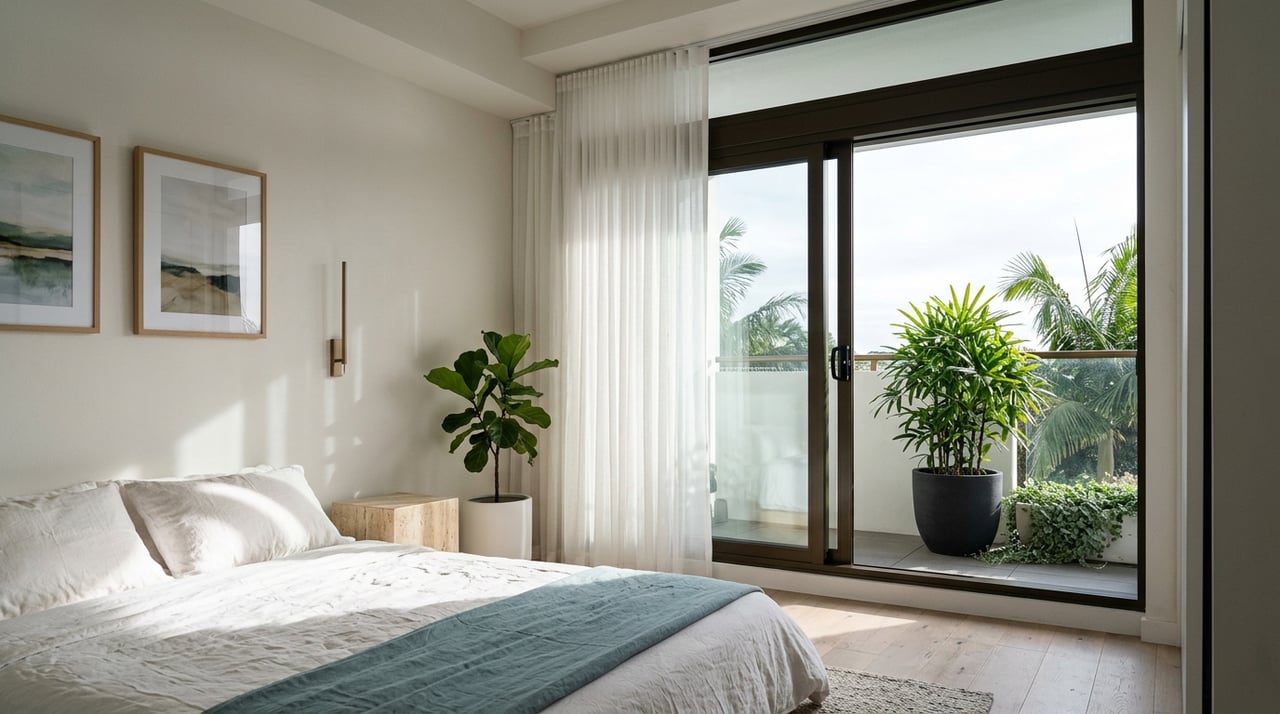
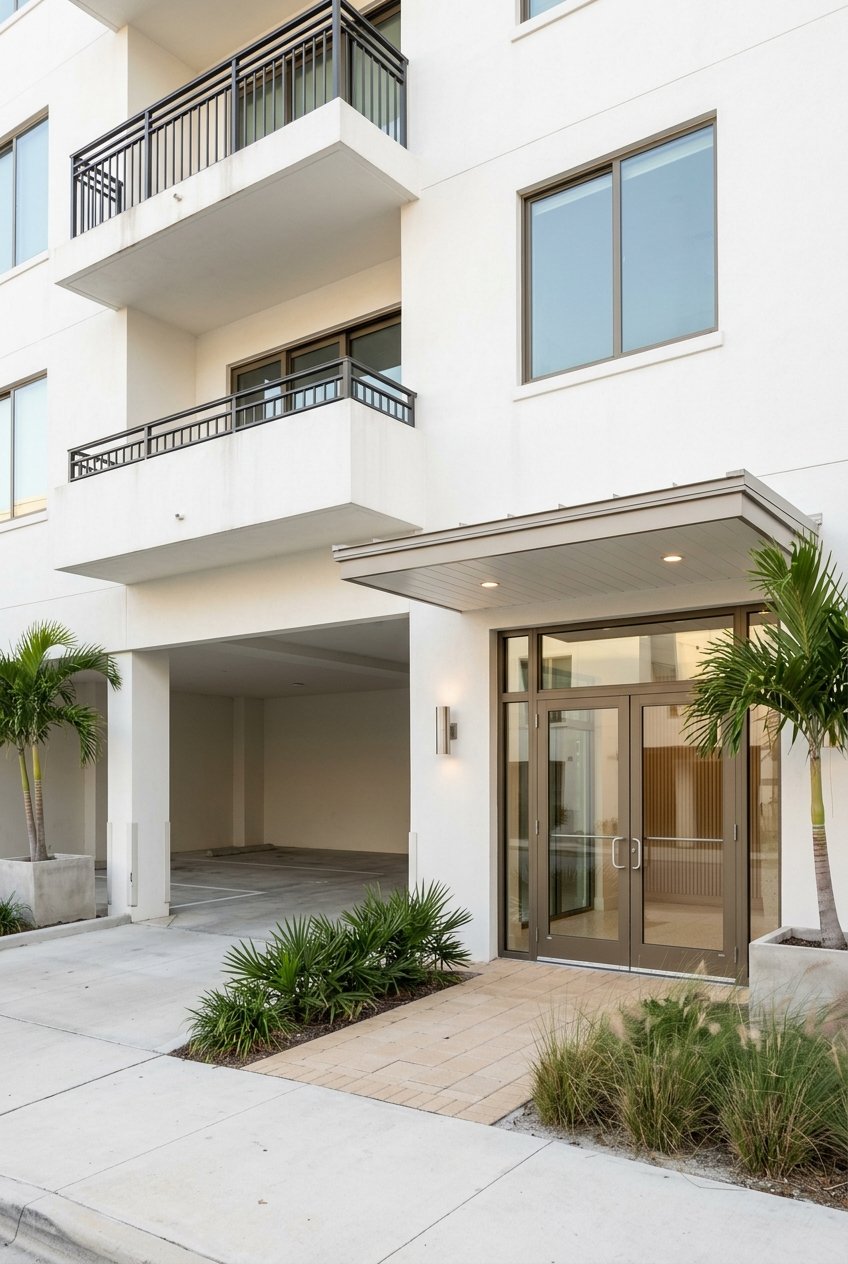
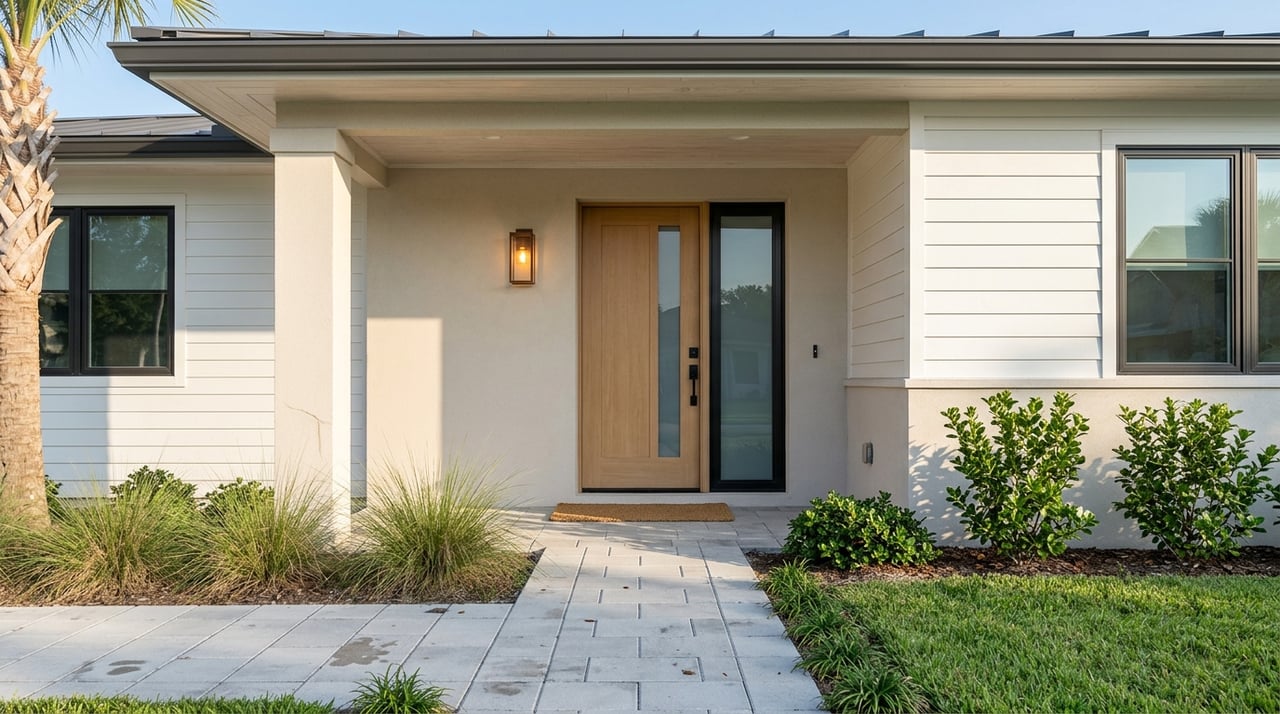
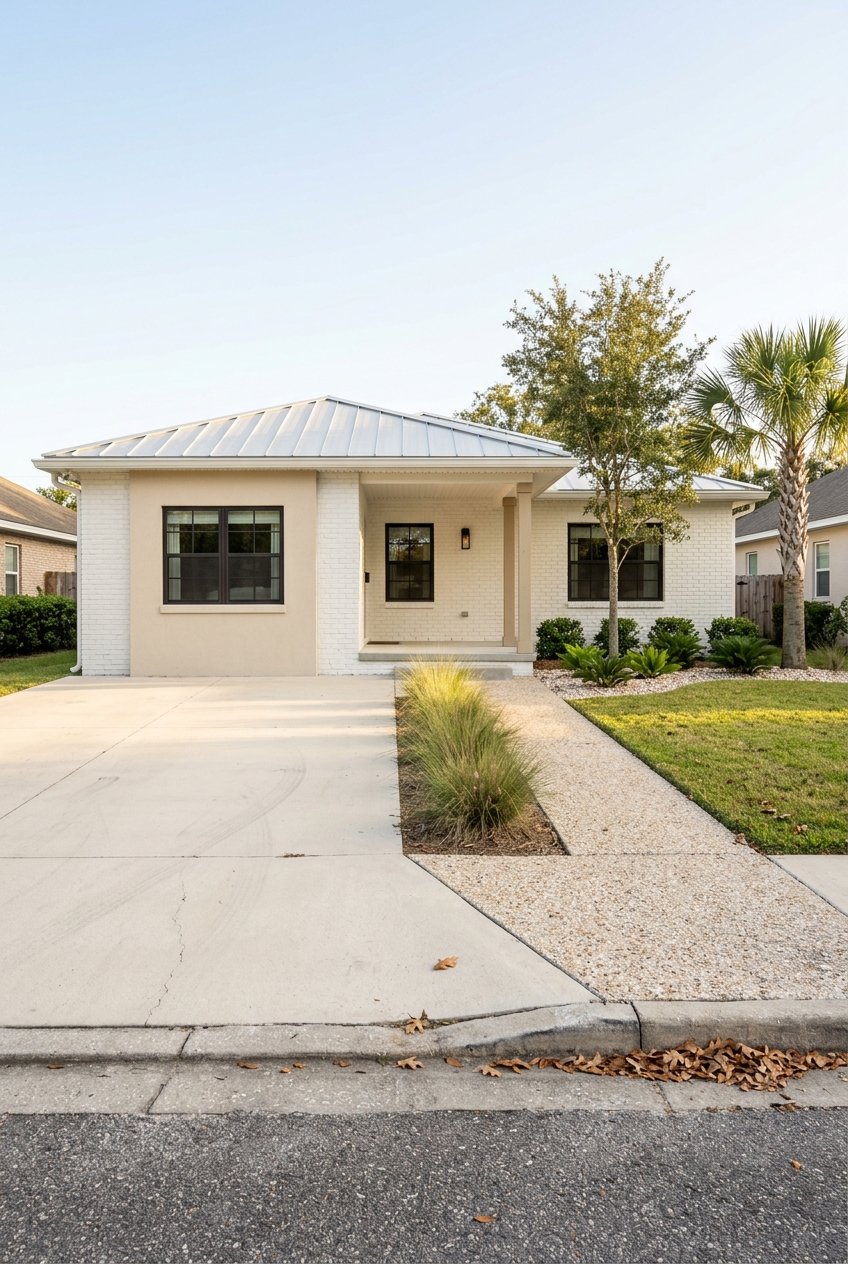
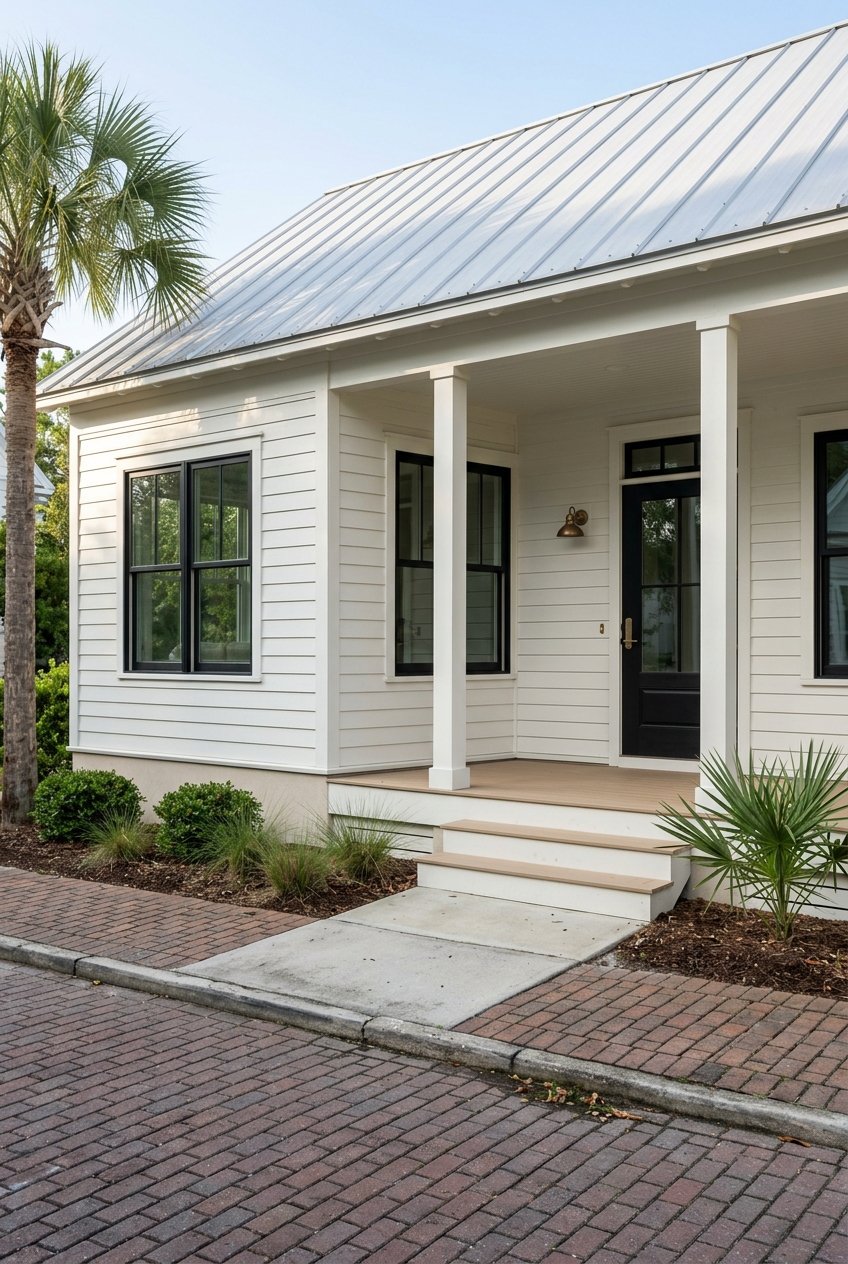
Downtown Pensacola housing stands apart from many nearby areas because it combines historic and newer options in close proximity. The city describes modern condominiums and historical houses sitting near the waterfront, which creates a housing mix that feels distinctly urban for this market.
The preservation record adds more depth to that picture. In the heart of downtown, the Pensacola Historic District and the Palafox Historic Business District include mainly 19th- and 20th-century buildings, with styles such as French Creole cottages, Victorian, and Greek Revival.
That means downtown streets can include condos, historic homes, and commercial buildings close together. For some buyers, that blend is exactly the draw.
If you like places that feel layered and visually varied, downtown can offer that. If you prefer a more consistent residential setting, nearby neighborhoods may feel like a better fit.
Downtown is often compared with nearby historic areas such as North Hill and Old East Hill. The city describes North Hill as mostly residential and notes Old East Hill as mainly residential as well.
That is the key difference. Downtown tends to feel denser, more mixed-use, and more event-oriented, while those nearby neighborhoods may offer historic architecture in a setting with less commercial activity in the immediate daily environment.
Downtown may be a strong fit if you want to live close to restaurants, events, bay access, and walkable public spaces. North Hill and Old East Hill may appeal more if you want historic character with a more residential day-to-day feel.
Neither is universally better. It comes down to whether you want your home base to feel more connected to activity and mixed-use convenience, or more centered on residential streets.
Downtown often appeals to people who want place-based convenience and a strong sense of local character. If you enjoy walking to dinner, staying close to public events, and having the waterfront play a visible role in daily life, the area can feel especially rewarding.
It may also appeal to buyers who want housing options with personality. Because the area includes both historic homes and modern condos, downtown can offer more variety than neighborhoods that lean more heavily in one direction.
The best way to think about downtown Pensacola is not just as a map location, but as a lifestyle choice. You are choosing a setting with a compact footprint, active public spaces, recurring events, visible history, and practical access to the bay.
That combination is what gives downtown its identity. If that sounds like the kind of daily environment you want, it may be worth taking a closer look at what is available and how specific blocks or property types line up with your goals.
If you are thinking about buying in Pensacola and want clear, local guidance on which in-town area best fits your lifestyle, Luxpoint Real Estate can help you compare neighborhoods, property types, and next steps with a calm, strategic approach.
Defined by market expertise and a refined, results-driven approach, each client receives tailored guidance aligned with their goals. Every decision is supported by insight, strategy, and local knowledge of Gulf Breeze and Florida’s coastal market. The focus remains on delivering clarity, confidence, and measurable results.

Luxpoint Real Estate
913 Gulf Breeze Pkwy Ste 4 Gulf Breeze FL 32561